
Are heated blankets safe? An intact, non-recalled blanket can be used more safely when it is listed by a recognized testing organization, matched with its original controller, laid and powered exactly as the manufacturer directs, kept dry and unbunched, inspected regularly, and removed from service at the first sign of damage or abnormal heat. They are not risk-free. Burns, electrical shock, and fire can occur when wiring, controls, cords, or heating elements fail or when the blanket is folded, wet, pinched, modified, recalled, or used by someone unable to sense heat or operate it safely.
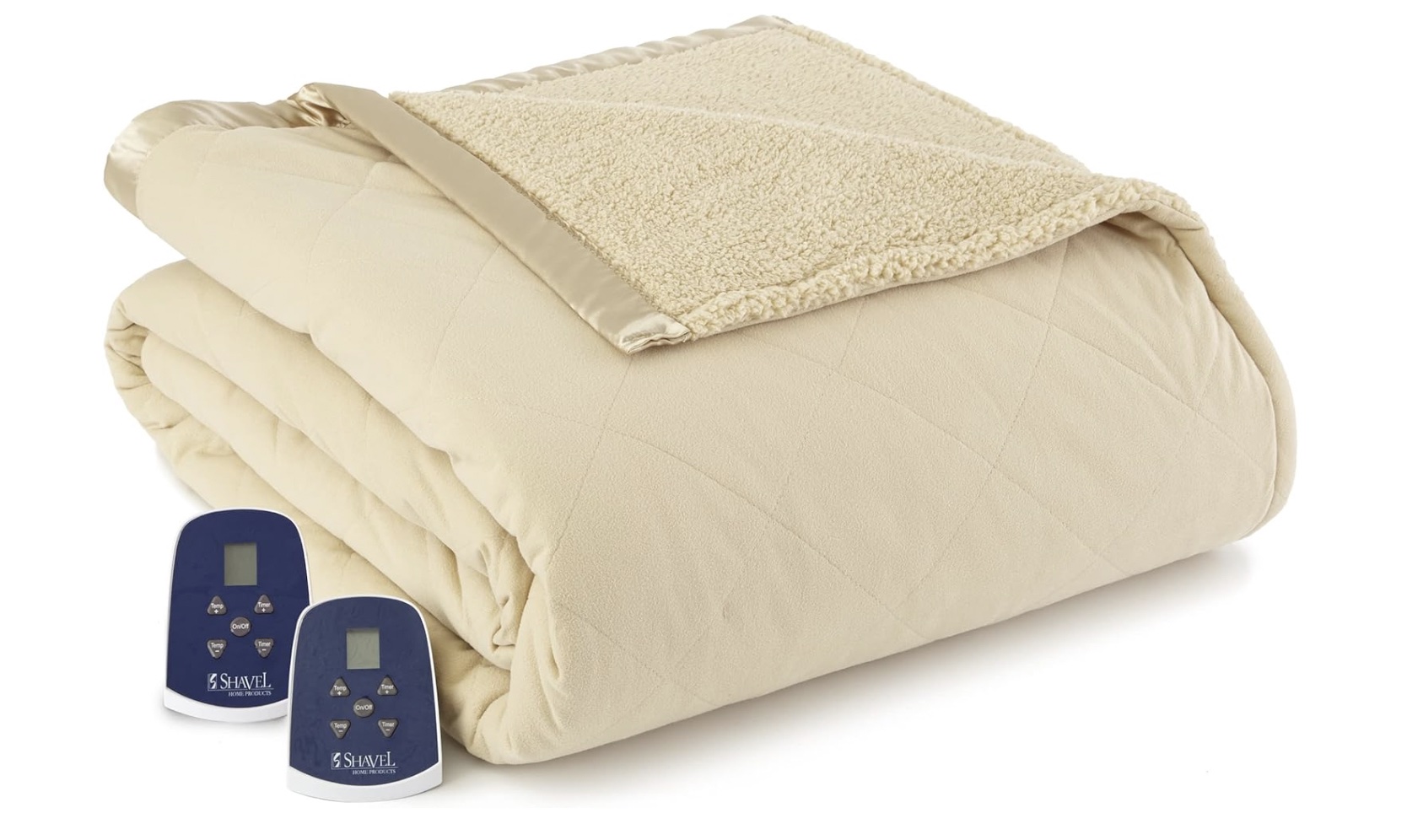
The correct answer depends on the exact product and user. “Heated blanket” can mean an overblanket, underblanket, heated throw, mattress pad, or another electric bedding product. Each is designed for a particular position and operating pattern. A safety rule for one category should not be transferred automatically to another.
Are Heated Blankets Safe for Normal Home Use?
They can be used with lower risk when the product is intact, correctly listed or certified, not recalled, and operated exactly as instructed. UL Solutions notes that newer electric bedding includes safety features unavailable in many older models, but burns and fires remain possible when a product malfunctions or is used incorrectly. It recommends checking recalls, protecting cords, buying a product evaluated by a nationally recognized testing organization, and avoiding secondhand electric blankets. Read UL Solutions’ electric-blanket safety overview.
Verified and correctly operated
The blanket is undamaged, dry, flat, paired with the approved controller, used in its intended position, and monitored according to the manual.
Age, history, or user creates uncertainty
The product is old, secondhand, missing instructions, has an unknown washing history, or will be used by someone with reduced heat awareness or mobility.
Damage, malfunction, or recall
Stop for scorching, exposed wire, frayed cords, sparks, shocks, burning odor, abnormal hot spots, wet damage, loose connections, failed controls, or an active recall.
Auto-off timers, temperature sensors, and overheat protection can reduce risk, but they do not make inspection, correct placement, recall checks, or manufacturer instructions optional.
Ten Rules for Safer Heated Blanket Use
- Read the exact manual before first use. Confirm whether the product goes above or below the sleeper, whether overnight use is allowed, and which heat, timer, washing, and storage settings apply.
- Confirm the controller belongs to the blanket. Similar-looking plugs do not prove electrical compatibility. Use only the controller approved for that model.
- Inspect before the first use of every season. Check the fabric, internal wire paths, plug, cord, connector, controller, label, and recall status.
- Lay it in the intended position. An overblanket belongs above the user; an underblanket or mattress pad belongs only where its manual specifies.
- Keep it flat and unbunched. Do not fold, ruck, roll, tuck tightly, sit on a folded section, trap it under furniture, or pile weight over a heating zone unless the manual specifically permits that arrangement.
- Protect the cord. Do not run it under rugs, between mattress components, through an adjustable-bed hinge, against a sharp frame, or where feet, pets, or furniture can damage it.
- Keep electricity away from moisture. Never operate the blanket while wet, touch controls with wet hands, or switch it on to dry it.
- Do not combine it with a hot-water bottle. Electrical Safety First warns against using both in the same bed because leakage and electricity are a dangerous combination.
- Do not use pins or unapproved fasteners. Pins can damage insulation or heating elements. Use only attachments supplied or approved by the manufacturer.
- Stop instead of resetting repeatedly. Error codes, unexpected shutoffs, controller flicker, or intermittent power require manufacturer guidance—not repeated resetting, cord wiggling, tape, or DIY repair.
Electrical Safety First also advises regular inspection, never using a blanket when it is wet, creased, scorched, or exposing internal elements, and considering replacement when it is more than 10 years old. That age is a replacement checkpoint, not proof that every younger blanket is safe. Review its electric-blanket safety guidance.
Can You Sleep With a Heated Blanket On?
Only when the exact model is designed and approved for overnight use. Some heated blankets include an auto-off timer and instructions for sleeping use; others are intended only to pre-warm a bed or provide warmth while awake.
| Use pattern | Safety position | What to verify | Main caution |
|---|---|---|---|
| Pre-warm, then switch off | CONSERVATIVE OPTION | Manual permits preheating; blanket is switched off or unplugged as directed before sleep | Do not leave a non-overnight product running after falling asleep |
| Overnight use | MODEL-SPECIFIC | Manual explicitly permits it, user can control it, timer works, and there are no risk factors or warning signs | Auto-off is not a substitute for correct setup and heat awareness |
| Folded around feet or body | AVOID UNLESS APPROVED | Use only the configuration shown by the manufacturer | Folds and bunching can concentrate heat and stress wiring |
| Under another heavy blanket | CHECK MANUAL | Whether layering is permitted and how the product senses temperature | Unapproved insulation or pressure may change heat behavior |
| On an adjustable bed | CHECK PRODUCT FIT | Blanket and cord cannot be trapped, pinched, folded, or pulled by moving parts | Hinges and frames can damage hidden wiring |
UL Solutions presents pre-warming the bed and switching the blanket off before sleep as a conservative way to reduce overnight exposure. The product manual still controls because not every blanket is constructed or intended the same way.
Who Should Avoid or Get Advice Before Using One?
The relevant concern is whether neuropathy or another condition limits heat awareness, circulation, movement, or skin protection. Ask a clinician when you are unsure rather than relying on a diagnosis label alone.
Warning Signs That Mean Stop Using It
Read How Long Do Heated Blankets Last? for the full inspection and replacement guide.
What to Check Before Buying a Heated Blanket
- Avoid secondhand electric blankets with unknown storage, washing, controller, or damage history.
- Do not buy a blanket missing its original controller or model label.
- Confirm the size and intended position fit the mattress and bed frame.
- Check whether an adjustable bed, topper, mattress type, or layered bedding is compatible.
- Read the washing and drying instructions before purchase.
- Register the product when the manufacturer offers registration.
- Save the receipt, model number, controller number, and manual.
How to Wash and Store Electric Bedding Safely
Some models are machine washable after the controller is removed; others are not. Follow the exact wash and dry symbols and written instructions. Never assume that a detachable controller alone makes the blanket washable.
- Inspect for damage before cleaning.
- Disconnect only the parts the manufacturer instructs you to remove.
- Use the approved water temperature, cycle, detergent, and drying method.
- Do not dry clean, iron, wring, or use high heat unless explicitly permitted.
- Do not reconnect or power the blanket until every component is fully dry.
- Store loosely or as directed, avoiding sharp folds, compression, moisture, pests, and tight cord coils.
- Inspect again after storage and before first seasonal use.
For ordinary non-electric bedding schedules, see How Often Should You Wash Blankets?. Electrical bedding must follow its own product manual.
Heated Blanket Recalls Show Why Model Checks Matter
CPSC issued a July 16, 2026 warning for Melinora electric heated blankets.
CPSC says the internal heating elements can overheat and melt through the polyester fabric, creating burn and fire hazards. The agency reported five incidents involving smoking, melting, or burning and one burn injury, and urged consumers to stop using and dispose of the affected blankets.
CPSC recall records also include Sunbeam, Bedsure, and other heated bedding products with fire, burn, melting, or controller hazards. Search the exact brand and model before first use and at the beginning of each cold season. Search the current CPSC recall database.
Follow the regulator or manufacturer’s remedy. A blanket that looks normal can still contain the model-specific defect identified in a recall.
Non-Electric Comfort for the Rest of the Bed
A heated blanket supplies warmth, while a sleep pillow supports the head and neck. For a non-electric component of the sleep setup, compare the current Pallas Cozy pillow options and review the individual construction and care details.
SLEEP SUPPORT
Contour Relief Pillow
View current product details, dimensions, and care information.
SLEEP SUPPORT
Ultra Contour Relief Pillow
Compare the current model information and product care guidance.
Frequently Asked Questions
Are heated blankets safe to sleep with?
Only when the exact model permits overnight use and the product, setup, and user meet its safety requirements. Pre-warming and switching off before sleep is a more conservative option.
Can a heated blanket catch fire?
Yes. Fire can result from defective heating elements, damaged wiring, failed controls, folding, wet damage, pinched cords, or other misuse. Recalls document real overheating and fire hazards.
Is an auto-off timer enough to make one safe?
No. Auto-off does not correct damage, an active recall, a wrong controller, improper placement, wetness, pinched cords, or reduced heat sensation.
Are electric blankets safe for people with diabetes?
Diabetes alone is not the whole question. Diabetic neuropathy may reduce the ability to feel heat or pain, increasing burn risk. Seek clinical advice when sensation or circulation is impaired.
Can you use a heated blanket during pregnancy?
There is no universal prohibition for every pregnancy and product. Avoid overheating, follow the manual and prenatal guidance, and consider warming the bed before switching the blanket off.
Are heated blankets safe for children?
They are not suitable for infants. Young children may be unable to control, remove, or respond to the product safely. Follow age restrictions and seek pediatric guidance when uncertain.
Can I put another blanket on top?
Only when the heated blanket manual permits that layering. Heavy insulation or pressure can affect heat behavior in some products.
Can I use an electric blanket with a hot-water bottle?
No. Electrical Safety First advises never using both in the same bed because a leak creates a dangerous combination of water and electricity.
Is a used heated blanket safe to buy?
Its damage, washing, storage, controller, and recall history may be unknown. UL Solutions advises buying electric blankets new rather than secondhand.
How often should I replace a heated blanket?
Replace immediately for damage, malfunction, or recall. Electrical Safety First advises considering replacement when a blanket is more than 10 years old, even if it still appears functional.
Related Pallas Cozy Guides
Sources and Further Reading
- U.S. Consumer Product Safety Commission: Recall Database
- CPSC: 2026 Melinora Heated Blanket Warning
- CPSC: Sunbeam Heated Blanket Recall
- UL Solutions: Electric Blanket Safety
- Electrical Safety First: Inspection and Use Advice
- Electrical Safety First: Electric Blanket Do and Don’t List
- Mayo Clinic: Diabetic Neuropathy and Reduced Temperature Sensation
- HealthLink BC: Electric Blanket Use During Pregnancy
Safety note: This article provides general information. The exact product manual, current recall notice, qualified electrical advice, and individual medical guidance take priority.
