
How to get dog hair out of blankets: remove as much fur as possible while the blanket is dry, using an outdoor shake, lint roller, upholstery vacuum, or a fabric-safe rubber tool. If the care label allows tumble drying, a short no-heat cycle before washing can loosen additional hair into the lint screen. Then wash the blanket separately on its labeled cycle without overloading the machine, dry exactly as directed, and clean the lint screen and appliance areas afterward. Do not rely on vinegar, fabric-softener spray, essential oils, or repeated washing as universal pet-hair solutions.
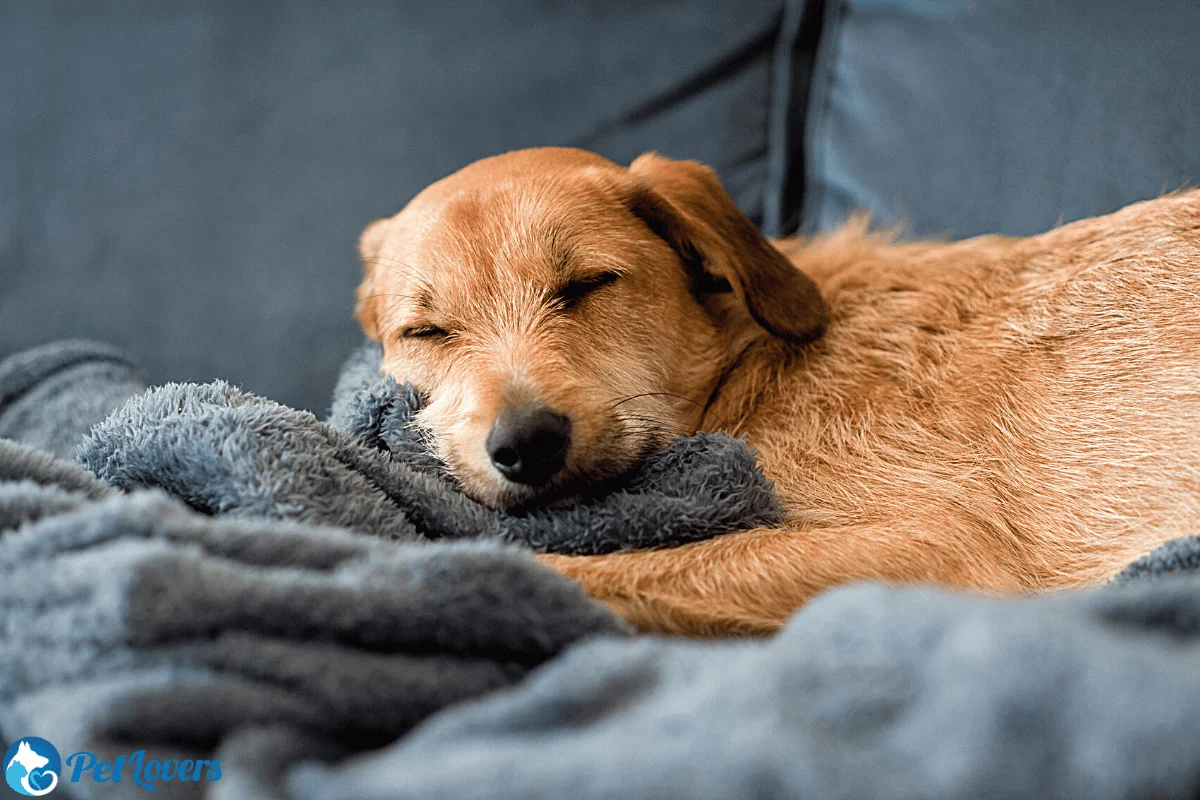
The highest-leverage step happens before water touches the blanket. Wet pet hair can form clumps, move into seams and filters, or redistribute across the load. Dry removal reduces the amount that reaches the washer and makes the wash cycle responsible for cleaning soil rather than trying to act as a fur collector.
Do not reverse the orderWhen a blanket is heavily covered in dog hair, dry removal and an optional no-heat tumble should come before the normal wash cycle. This protects the load from unnecessary hair transfer and reduces what enters the washer.
Choose the Best Route Before Washing
Most washable blankets
Shake outside, roll, vacuum, or use a tested rubber tool until loose hair stops coming away easily.
Only when the label allows a dryer
Tumble the already-dry blanket briefly on air-only or no heat, then clean the lint screen before washing.
Weighted, heated, wool, damaged, or unlabeled
Check the exact construction and manufacturer instructions before adding water, agitation, or tumble action.
Maytag recommends removing excess pet hair before using a standard washer and describes lint rollers, dryer sheets, or a dryer pre-cycle as options for dog blankets. Its broader pet-hair guidance also warns that excess hair can collect in a washer filter or drain system. Review Maytag’s dog-blanket instructions.
A no-heat dryer cycle is useful only when the blanket is dryer-safe. Do not tumble weighted inserts, electric blankets, loose knits, fragile trims, foam-backed covers, or dry-clean-only textiles unless their instructions permit it.
How to Get Dog Hair Out of Blankets: Seven Safe Methods
- Shake the blanket outdoors. Hold opposite corners and shake away from doors, air intakes, neighbors, and other clean laundry. This removes loose hair with no chemicals or appliance wear. Skip aggressive beating on weak seams, loose knits, antique textiles, or weighted construction.
- Use a lint roller or low-tack tape. Work in overlapping passes on both sides. Test adhesive on a hidden area first because delicate fibers, coatings, embellishments, and loosely woven yarn can pull or leave residue.
- Vacuum with a clean upholstery attachment. Lay the blanket flat, reduce suction when possible, and work slowly in more than one direction. Keep the nozzle moving and stop if it stretches knit loops, catches fringe, or lifts a coating.
- Gather embedded hair with a rubber glove or squeegee. Use a clean, dry or barely damp textured rubber surface and short strokes. Test first. Do not wet the blanket enough to require drying before the care-label wash.
- Try a no-heat dryer pre-cycle. If the label permits tumble drying, place the dry blanket in the dryer by itself and select air-only or no heat. Check it after a short interval, remove it when useful hair has collected, and clean the lint screen before proceeding.
- Wash separately on the labeled cycle. Use the water temperature, cycle, and detergent amount specified by the blanket and detergent labels. Leave enough drum space for movement rather than packing in other pet items.
- Finish with the approved drying method and a final dry tool. Air-dry or tumble-dry as directed. Once fully dry, use a lint roller or upholstery vacuum for remaining strands instead of automatically washing the blanket again.
Maytag specifically describes a “dry, wash, dry” approach: tumble already-dry items on a no-heat setting so hair can collect in the lint screen, wash according to the care tag, and dry normally. It also recommends not overloading the washer. See the full pet-hair laundry process.
How to Wash a Dog-Hair Blanket Without Spreading Fur
- Read the complete care label. Confirm water temperature, wash cycle, bleach restrictions, tumble-dry setting, and whether the item is machine washable at all.
- Remove dry hair and solids first. Pet hair, crumbs, mud, grass, and loose debris should not be sent directly into the machine when they can be removed safely beforehand.
- Wash pet blankets separately. This limits transfer to clothing, towels, sheets, and lint-attracting fabrics.
- Do not overload the drum. The blanket needs room to move, rinse, and release soil.
- Measure detergent from the product label. Do not automatically use half the dose or add extra. Soil level, load size, detergent concentration, washer type, and water hardness affect the correct amount.
- Add an extra rinse only when useful and permitted. It may help remove detergent or loosened debris, but it does not replace dry hair removal or appliance-filter maintenance.
- Inspect before drying. Re-treat stains according to the fabric and product directions; dryer heat can make some stains harder to remove.
The American Cleaning Institute recommends sorting by fabric and instructions, following the care label, measuring detergent correctly, choosing the appropriate cycle, and avoiding washer overload. It notes that both too much and too little detergent can reduce cleaning performance. Review ACI Laundry Basics.
Some appliance guides describe vinegar for particular cleaning tasks, but washer manufacturers differ. Vinegar can affect certain seals, components, dyes, coatings, or specialty textiles. Check both the washer manual and blanket label before using it; never mix it with chlorine bleach.
Use the Dryer as a Collector, Not a Guessing Game
When tumble drying is allowed, movement and static reduction can help loose hair reach the lint screen. The correct temperature and cycle still come from the blanket label.
| Drying decision | Recommended action | Reason | Avoid |
|---|---|---|---|
| Dry blanket, heavy loose hair | NO-HEAT PRE-CYCLE | Can release hair before it reaches the washer | Using heat when the goal is only hair removal |
| Washed, dryer-safe blanket | FOLLOW CARE LABEL | Fabric, fill, seams, and coatings have different heat limits | Assuming low heat suits every construction |
| Lint screen collecting hair quickly | PAUSE AND CLEAN SAFELY | A clear screen supports airflow and collection | Running with a blocked or missing lint filter |
| Weighted, electric, wool, or fragile blanket | CHECK EXACT INSTRUCTIONS | Tumble action, weight, or heat may damage the item or appliance | Using a generic pet-hair dryer hack |
| Blanket remains damp or smells musty | DO NOT STORE OR REUSE | Moisture can contribute to odor and material damage | Folding it away or covering the smell with fragrance |
Whirlpool advises cleaning the dryer lint trap after each load because a blocked screen can increase drying time. CPSC and the U.S. Fire Administration also emphasize keeping lint filters clean as part of dryer-fire prevention. See Whirlpool’s lint-trap guide and USFA’s dryer-safety reminder.
Best Hair-Removal Method by Blanket Type
For specialty care, use How to Wash Weighted Blankets Safely and Are Heated Blankets Safe?.
Clean the Washer and Dryer After Pet Blankets
Maytag notes that pet hair can collect in a washer’s filter or drain line and recommends wiping the tub after especially hairy loads. Its machine-cleaning instructions are model-dependent, so use your appliance manual rather than a universal vinegar-and-baking-soda cycle. Read Maytag’s appliance-maintenance guidance.
Prevent Dog Hair From Building Up Again
The American Kennel Club explains that shedding varies by breed and coat type and that heavier shedders may need brushing several times a week or daily during peak shedding. It recommends choosing a grooming tool for the specific coat rather than using one schedule for every dog. Review AKC’s shedding guidance.
Normal shedding differs from bald patches, inflamed skin, sores, itching, or a sudden major change in coat loss. Those signs warrant veterinary advice rather than more aggressive de-shedding.
Complete the Sleep Setup
Keep clean pillows away from pet-hair loads and appliance residue. The following Pallas Cozy products are sleep pillows, not pet-hair removal tools.
SLEEP PILLOW
Contour Relief Pillow
View current construction, dimensions, and care information.
SLEEP PILLOW
Ultra Contour Relief Pillow
Compare current model details and product care guidance.
Frequently Asked Questions
What is the fastest way to remove dog hair from a blanket?
Start with an outdoor shake, then use a lint roller, upholstery vacuum, or tested rubber tool. For dryer-safe blankets, a short no-heat pre-cycle can collect more hair before washing.
Should I wash a hair-covered blanket immediately?
Remove as much dry hair as practical first. Wet clumps can transfer through the load and collect in the washer’s filter, gasket, or drain system.
Does vinegar remove dog hair from blankets?
It is not a universal solution. Some appliance guides describe vinegar for particular tasks, but compatibility varies by washer and textile. Check both manuals and never mix vinegar with chlorine bleach.
Do dryer sheets help with pet hair?
They may reduce static on compatible dryer-safe fabrics, but they can leave coatings and are not suitable for every textile. Follow the blanket and dryer-product labels.
Do wool dryer balls remove dog hair?
They may help separate some dryer-safe items and reduce static, but they do not replace pre-removal, the correct cycle, or lint-screen cleaning. Do not use them with a blanket whose label prohibits tumble drying.
Can I use a vacuum on fleece?
Yes, with a clean upholstery attachment and lower suction when possible. Keep the nozzle moving and stop if it stretches, pills, or damages the surface.
Should dog blankets be washed separately?
Usually yes. Separate washing reduces hair transfer to clothes and household bedding and gives the blanket more room to move.
How often should I clean a dog blanket?
Use condition and exposure rather than one rigid schedule. Wash sooner for odor, visible soil, accidents, fleas, skin disease, illness, or heavy daily use, always following the care label.
Why is there still hair after washing?
The wash may have redistributed hair that was not removed while dry. Let the blanket dry according to its label, then use a roller or vacuum before deciding whether another wash is actually necessary.
Can dog hair damage a washing machine?
Large amounts can collect in seals, filters, or drain pathways and may affect performance. Remove excess hair first and maintain the machine according to its manual.
Related Pallas Cozy Guides
Sources and Further Reading
Editorial note: This guide provides general household-care information. The blanket care label, washer and dryer manuals, detergent instructions, and veterinary advice take priority.
